Kopernik Serves Last Mile Communities

Updated: Jun 13
“Kopernik is an extraordinary organization. This organization has many talented staff members, young and energetic people, who come from different ethnicities and nationalities. I love to visit their office in Ubud, Bali, in Indonesia.”
Kopernik was founded by Toshi Nakamura and Ewa Wojkowska in 2010. This amazing couple has worked in many fields and countries around the world, particularly with the United Nations. They chose Nicolaus Copernicus’s name for their organization because they have a great vision to change the way people see the world, just as Copernicus did for this world.

This organization has three core types of work, which include experimentation, last-mile consulting, and technology distribution. Kopernik brings its work into various projects largely concentrated within the Southeast Asia region, and in particular, Indonesia.

Kopernik was actively involved in emergency situations, such as the hit of a typhoon on the Philippine islands in 2013 and the strike of a 7.4-magnitude earthquake and tsunami on Palu island in 2018. This organization delivers various emergency response projects to connect simple technologies with evacuation centers and families to help them recover and rebuild from natural disasters on a case-by-case basis.
In 2017, Kopernik worked with partners to provide disaster relief in Central Kalimantan by delivering haze emergency kits including fan-filter units, safe room toolkits, and masks. Kopernik partners with public, private, development sectors, and academia in order to solve development problems. Better programs can be developed and budgets allocated to impactful programs that have big potential to reduce poverty.
In 2019, Kopernik is working on Switch-Asia II, an international joint program funded by the EU, to promote sustainable consumption and production from fishery industries in NTT. The long-term goals of this project will address undernutrition and hunger issues, increase fish production, and strengthen the value chain of the fishery industry in NTT.

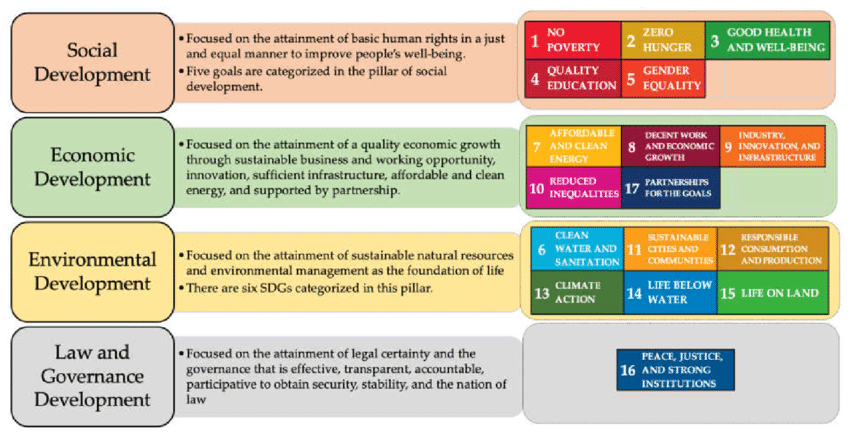
This organization is continuing to find what works to reduce poverty by collaborating with many actors and providing lean experimentation projects to find potential solutions to address the real needs of people living in the last mile toward achieving the 17 Sustainable Development Goals.
If you want to know more about Kopernik, please check Kopernik’s official website (in Bahasa/English/Japanese) to see their cool stuff and projects.


Comments